

-
Chapter 1: Fuel Dispensing Operations3 Topics1 Quiz
-
Chapter 2: Basic Vehicle Maintenance Checks3 Topics1 Quiz
-
Chapter 3: Forecourt Housekeeping3 Topics1 Quiz
-
Chapter 4: Receiving Stock2 Topics1 Quiz
-
Chapter 5: Recording Transactions and Processing Payments4 Topics1 Quiz
-
Chapter 6: Interact with Customers4 Topics1 Quiz
-
Chapter 7: Shift Procedures and Reporting4 Topics1 Quiz



Lesson Progress
0% Complete
🎯 Learning Outcomes
By the end of this topic you will be able to:
- Direct customers to the correct pump safely and efficiently.
- Use correct hand signals to guide vehicles onto the forecourt.
- Identify hazards related to poor vehicle positioning.
- Apply the standard operating procedure for vehicle positioning.
Why Vehicle Positioning Matters
The way a vehicle is positioned at a fuel pump is the very first interaction a petrol attendant has with a customer. Correct positioning ensures:
- Safety – prevents collisions, fuel spills and fire risks.
- Efficiency – reduces waiting time and keeps traffic flowing.
- Customer satisfaction – a smooth entry experience creates a positive first impression.
- Equipment protection – prevents damage to pump hoses and nozzles caused by vehicles positioned too far away or at the wrong angle.
Standard Operating Procedure: Guiding a Vehicle to the Pump
Step-by-Step Guide
- Observe the forecourt – identify which pumps are free before the vehicle enters.
- Position yourself – stand in a visible, safe location (never in the direct path of the vehicle).
- Make eye contact – ensure the driver can clearly see you before signalling.
- Signal clearly – use open-palm hand gestures to direct the vehicle to the correct pump island.
- Guide slowly – use a “come forward slowly” gesture; never wave the vehicle in quickly.
- Signal to stop – raise your hand flat (palm facing the driver) when the fuel cap is level with the nozzle.
- Confirm the side – check which side the fuel cap is on before the driver positions the vehicle so you guide them to the correct pump side.
- Chock wheels if required – on sloped forecourts, place wheel chocks before attending to the vehicle.
Hand Signals Reference
| Signal | Action / Meaning |
|---|---|
| Open palm, waving inward | Come forward / proceed |
| Flat palm raised, facing driver | Stop |
| Index finger pointing left / right | Turn in that direction |
| Two hands waving downward | Slow down |
| Thumbs up | Vehicle is correctly positioned / all good |
Safety Considerations
⚠️ Safety Hazards to Avoid
- Never stand directly behind or in front of a moving vehicle.
- Do not allow customers to drive over fuel hoses lying on the ground.
- Keep pedestrians and children clear of the pump island while guiding vehicles.
- Never use a mobile phone while directing traffic on the forecourt.
- If visibility is poor (night, rain, glare), wear a reflective vest where available.
Common Mistakes and How to Avoid Them
| Common Mistake | Correct Practice |
|---|---|
| Directing vehicle to wrong pump side | Always confirm fuel cap side before guiding |
| Letting vehicle stop too far from pump | Guide vehicle until fuel cap aligns with nozzle reach |
| Unclear or rushed hand signals | Use slow, deliberate, visible gestures |
| Standing in blind spot of vehicle | Always stay in the driver’s line of sight |
Key Terms
| Term | Definition |
|---|---|
| Forecourt | The paved area of a petrol station where fuel is dispensed. |
| Pump island | The raised concrete structure that holds the fuel dispensing pumps. |
| Fuel cap | The cover over the vehicle’s fuel filler neck, indicating which side of the car needs to face the pump. |
| Wheel chock | A wedge placed against a tyre to prevent a vehicle from rolling on a slope. |
✅ Quick Knowledge Check
Before moving to the next topic, ask yourself:
- What is the first thing you should check before guiding a vehicle to a pump?
- Which hand signal tells the driver to stop?
- Name two safety hazards related to vehicle positioning on the forecourt.
Compare your answers with the SOP steps above before proceeding.
📚 Additional Resources
📖 Further Reading
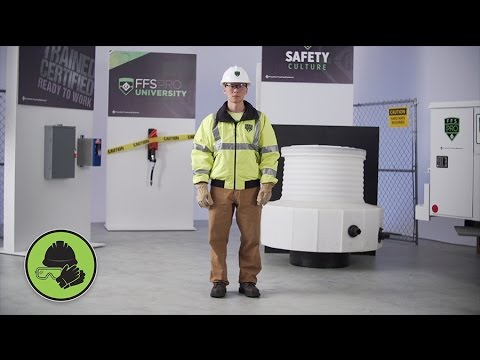
🎬 Watch: Forecourt Safety in Action
This video demonstrates proper vehicle positioning and forecourt safety protocols at a fuel station.
📊 Chapter 1 Presentation
Download and review the full Chapter 1 slide deck used in this module:
Enjoyed Chapter 1?
Unlock every chapter of Petrol Attendant Course and download your certificate. R199 once-off, no monthly fees.
Get the full course – R199
Responses