
How to Become a Bookkeeper or Payroll Administrator in South Africa (2026)

Bookkeeping and payroll are skills every business needs, which makes them a steady way to get hired or earn on the side. This guide covers what bookkeepers and payroll clerks do, what they earn in South Africa in 2026, what employers ask for, the SARS payroll rules you must know, and how to start.
Key takeaways
- Entry-level bookkeepers earn about R8,000 to R15,000 a month (ICB). Payroll administrators average R18,460 a month (Indeed, August 2026).
- Most ads ask for matric, a bookkeeping certificate, Excel and Sage Pastel.
- Payroll means knowing EMP201, EMP501, PAYE, UIF and SDL.
- Only about a quarter of small businesses use a proper accounting system, so there is side-hustle demand.
- Sage and Xero both offer free trials and free learning.
In this guide
1What bookkeepers and payroll administrators do
Every business has to keep track of the money coming in and going out, pay its staff correctly and send the right returns to SARS. Bookkeepers and payroll administrators do that work. Junior titles you’ll see in ads include junior bookkeeper, accounts clerk, debtors clerk, creditors clerk and payroll clerk.
From current South African job ads (for example Sandton and Johannesburg South), the work usually includes:
- Capturing sales and purchase invoices and receipts
- Managing debtors (people who owe the business) and creditors (suppliers the business owes)
- Reconciling bank statements and general ledger accounts
- Helping with month-end and year-end
- Keeping VAT and PAYE up to date
- Helping with payroll: payslips, PAYE, UIF and SDL
2Bookkeeper and payroll salaries in South Africa (2026)
| Role | Typical pay | Source |
|---|---|---|
| Bookkeeper, entry level (under 1 year) | About R106,700 a year (about R8,900 a month) | PayScale, 34 salaries |
| Accounts payable (creditors) clerk, entry level | About R100,800 a year (about R8,400 a month) | PayScale, 24 salaries |
| Accounts payable clerk, all levels | R201,457 a year on average | PayScale, 355 profiles, Jul 2026 |
| Payroll bookkeeper | R237,723 a year on average | PayScale, 72 profiles |
| Payroll administrator | R18,460 a month on average | Indeed, 132 salaries, Aug 2026 |
| Bookkeeper, all levels | R281,699 a year on average (about R23,500 a month) | PayScale, 136 profiles, Mar 2026 |
The Institute of Certified Bookkeepers puts it as roughly R8,000 to R15,000 a month at entry level, R15,000 to R25,000 mid-level and R25,000 to R40,000+ for senior bookkeepers (ICB, May 2026). Real 2026 ads range from R7,000 to R8,000 a month for a junior creditors clerk in Boksburg to R18,000 to R25,000 for a junior bookkeeper in Goodwood.
3What employers ask for
4Payroll basics every South African bookkeeper must know
These are the SARS rules payroll clerks deal with every month:
| What | The rule | Source |
|---|---|---|
| EMP201 | Monthly declaration of PAYE, UIF and SDL, due within 7 days after the end of each month | SARS |
| EMP501 | Annual employer reconciliation. The 2026 filing season ran 1 April to 31 May 2026. Late filing can attract penalties | SARS |
| UIF | 1% from the employee plus 1% from the employer, on earnings up to R17,712 a month, so the most an employee pays is R177.12 a month | SARS |
| SDL | 1% of total payroll, paid only by employers whose payroll is expected to be more than R500,000 over the next 12 months | SARS |
5How to become a bookkeeper or payroll clerk: step by step
6Earning from bookkeeping on the side
Many small businesses don’t keep proper books. The SA MSME Access to Finance Report 2025 found that only 36.8% of micro and small businesses have formal financial statements, only 24.6% use a proper accounting system, and 83.4% run without a formal payroll system (EngineerIT, August 2025). Salons, spaza shops, builders and caterers need someone to capture their invoices, reconcile their bank account and run payroll.
As a benchmark, one South African accounting firm advertises monthly packages from R1,990 for bookkeeping up to management accounts and tax returns (Company Partners). A beginner doing simpler work for very small businesses would usually charge less while building a track record.
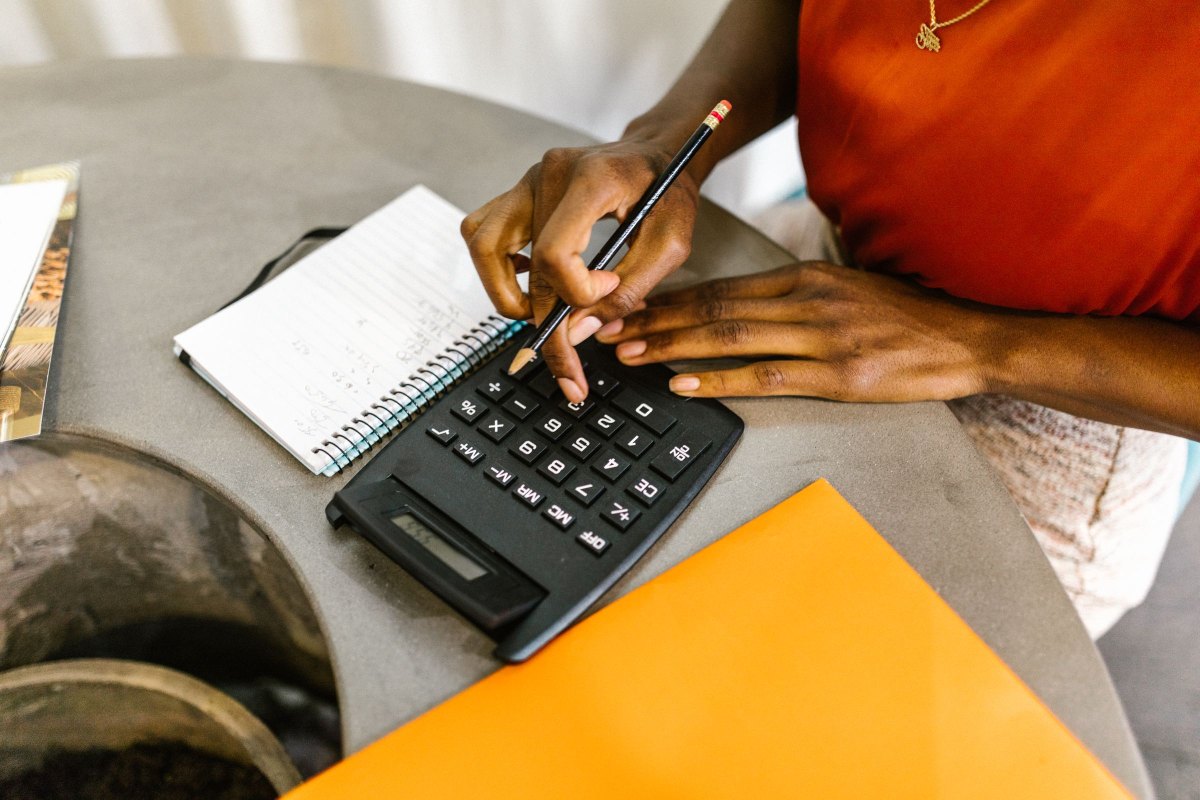
Bookkeeping & Payroll
Record income and expenses, write invoices, do a bank reconciliation and a month-end, understand VAT and SARS rules, and run a simple payroll from gross to net pay. Then apply for jobs or start a bookkeeping side hustle.
7Accounting software employers use
| Software | Cost to try | Free learning |
|---|---|---|
| Sage Accounting (Pastel family) | 30-day free trial, then from R240 a month incl. VAT (Sage) | Free payroll courses and certification on Sage University |
| Xero | 30-day trial. Starter R450 a month (Xero) | Free Xero certification |
| Excel / Google Sheets | Google Sheets is free | Used in almost every bookkeeping job |
8Frequently asked questions
How much do bookkeepers earn in South Africa?
Entry-level bookkeepers earn about R8,000 to R15,000 a month, according to the ICB (May 2026). PayScale puts the average bookkeeper base salary at R281,699 a year, about R23,500 a month (March 2026).
Do I need matric to study bookkeeping?
Not for the ICB. Its minimum entry requirement is Grade 10 and age 16, with no experience needed. Most bookkeeping job ads do ask for matric, though.
Can I be a bookkeeper without experience?
Yes. Some junior ads ask for 0–2 years of experience and say the employer will train the right person. Practising on real books for a small business helps you stand out.
What is the difference between EMP201 and EMP501?
The EMP201 is the monthly declaration of PAYE, UIF and SDL, due within 7 days after month-end. The EMP501 is the annual reconciliation that checks the year’s EMP201s against employees’ tax certificates.
How do I calculate UIF?
UIF is 1% of the employee’s earnings from the employee plus 1% from the employer, on earnings up to R17,712 a month. The most an employee pays is R177.12 a month.
Which software should I learn, Sage Pastel or Xero?
Sage Pastel comes up often in South African job ads. Xero is popular with small businesses and accountants. Both offer free trials and free learning, so start with the one local ads near you ask for.
Can I do bookkeeping from home?
Yes. Many bookkeepers work from home for several small businesses, using cloud software such as Sage Accounting or Xero.
Learn bookkeeping and payroll for R199
Do the books, reconcile the bank and run a payroll the way South African employers expect, using free tools on your phone. Finish with a certificate for your CV.
Start Bookkeeping & Payroll for R199



Responses